Best Food in the French Quarter
What to actually order in the oldest thirteen blocks of New Orleans — the nine dishes the city is built on, what makes each one local, and where guided tours tend to take you for them.
"Best food in the French Quarter" is a question about dishes far more often than it is a question about restaurants. Visitors arrive knowing they should eat gumbo and beignets, and leave having missed boudin, the muffuletta, or the difference between Cajun and Creole entirely.
So this guide is organised by plate rather than by address. Where a dish has a home on a guided food tour, we say so and link to it — but nothing here is a ranking, because we hold no data that would justify one.
Gumbo — the dish everything else explains
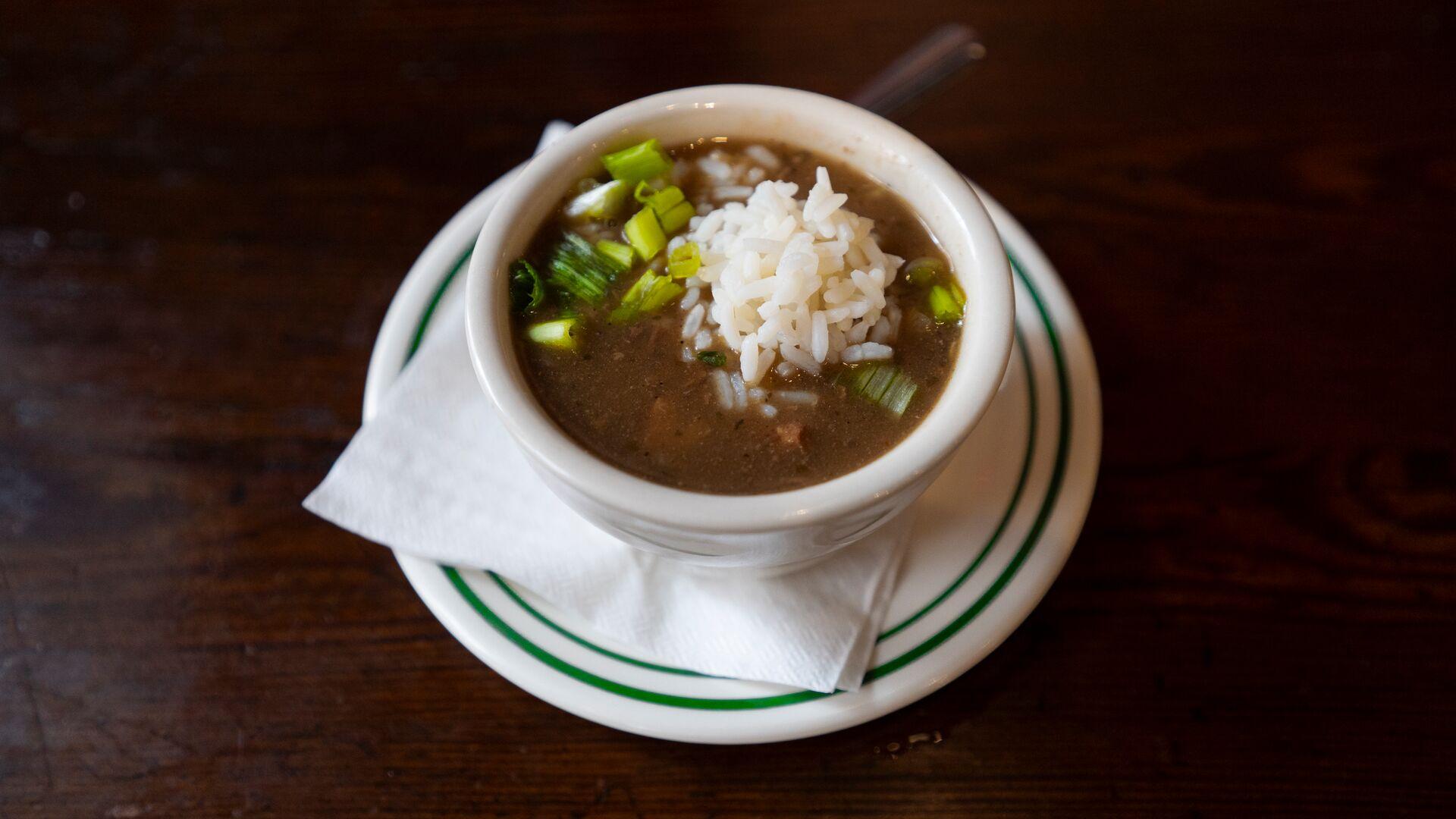
If you eat one thing in the French Quarter, this is it. Gumbo is the clearest single expression of how New Orleans cooking was assembled: a French roux, West African okra and filé from Native Louisianian practice, Spanish and Caribbean seasoning, all in one bowl.
It is also the dish guides build tours around, because explaining it means explaining the city. Nearly every food tour we list includes a gumbo stop, and the cooking classes teach it as the anchor recipe — a chicken and andouille sausage gumbo is the centrepiece of the hands-on roux class.
The po-boy and the muffuletta
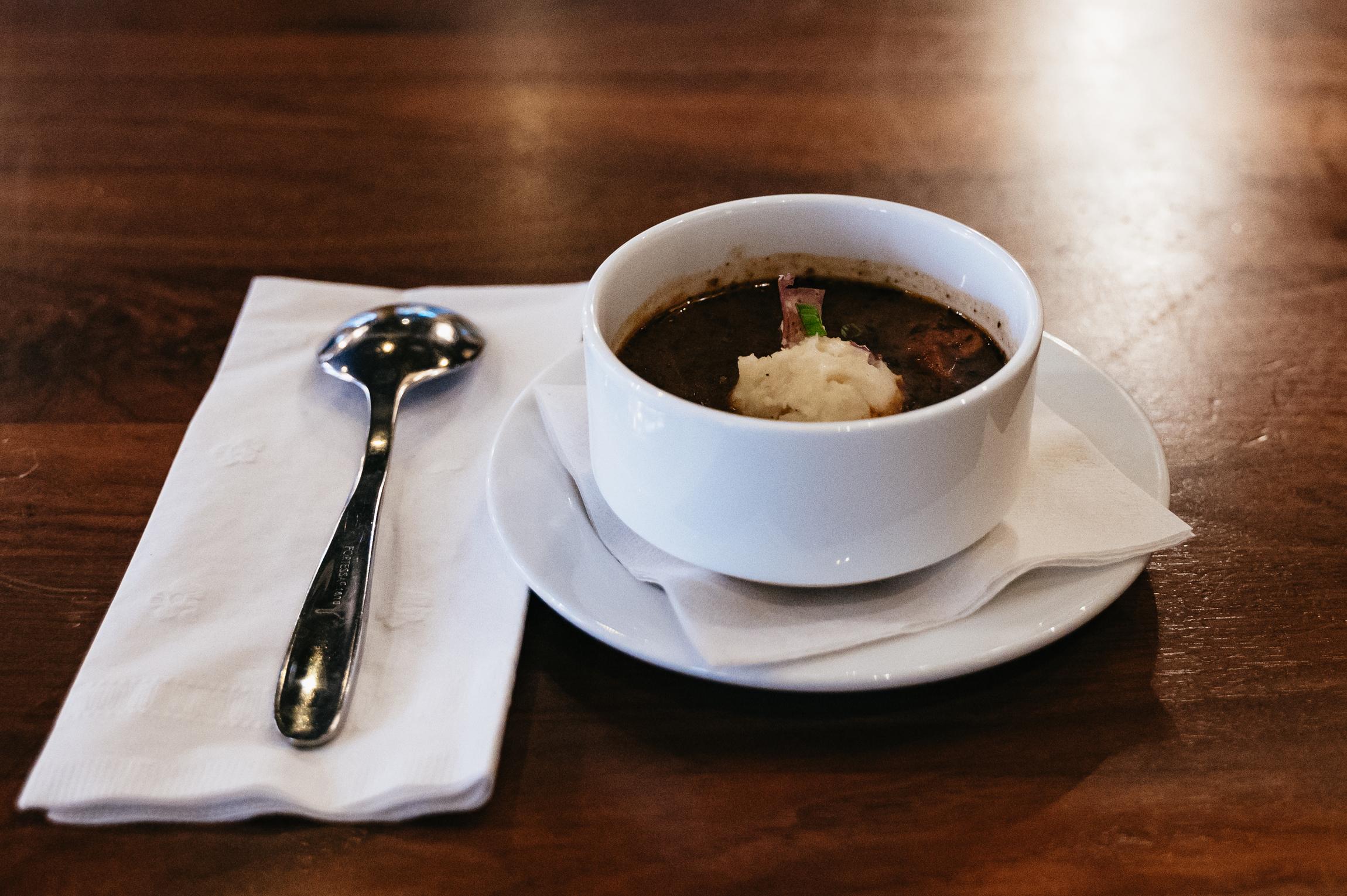
New Orleans has two sandwiches and they are not interchangeable. The po-boy is on Louisiana French bread — shattering crust, soft interior — and is usually roast beef with gravy or fried shrimp or oyster. The muffuletta is Sicilian by origin, round, on a seeded loaf, layered with cured meats and cheese and a marinated olive salad that is the whole point of it.
Both appear on the French Quarter food history walking tour, which is the only tour we list that explicitly promises both of the city's sandwiches in one afternoon.
Beignets and chicory coffee
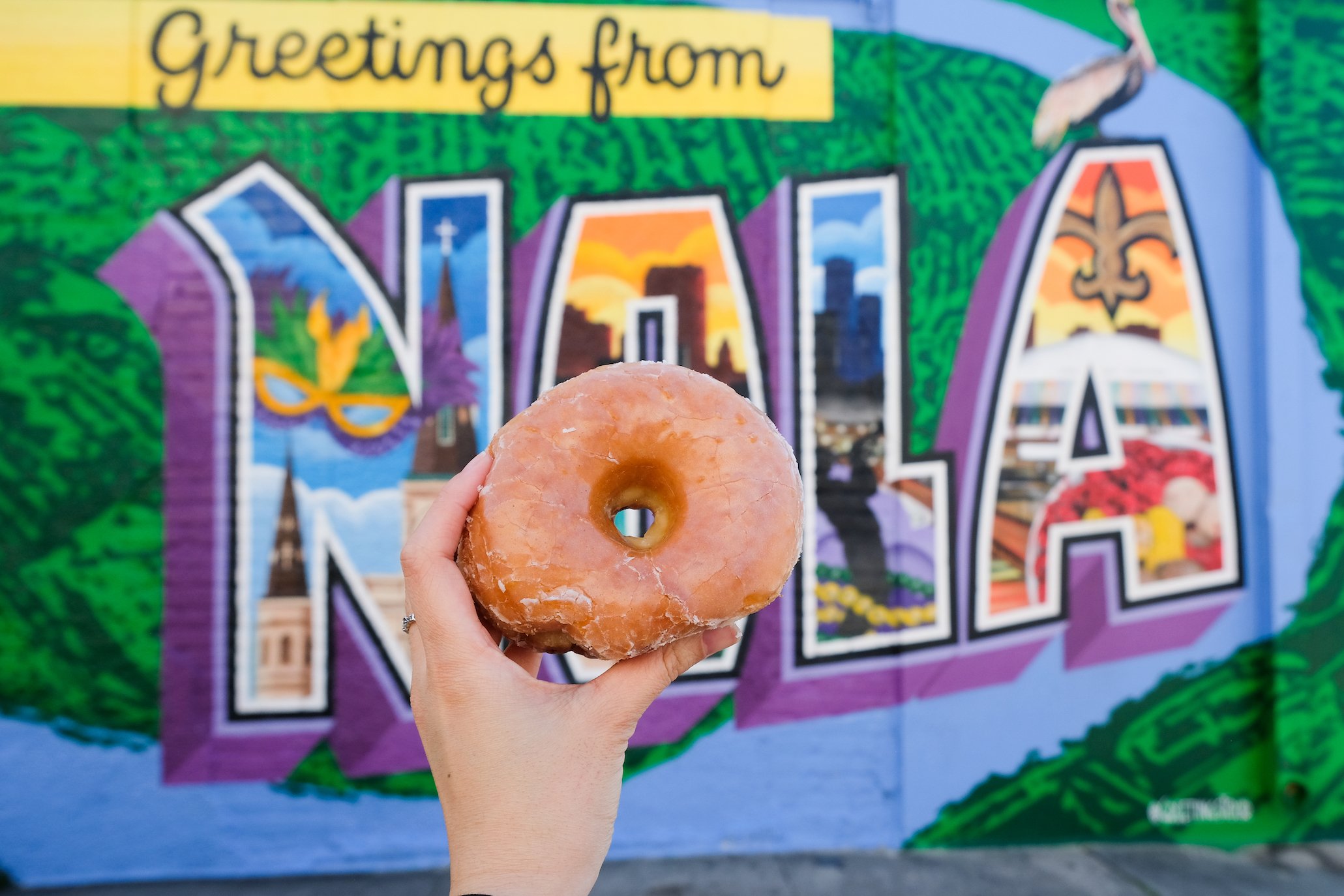
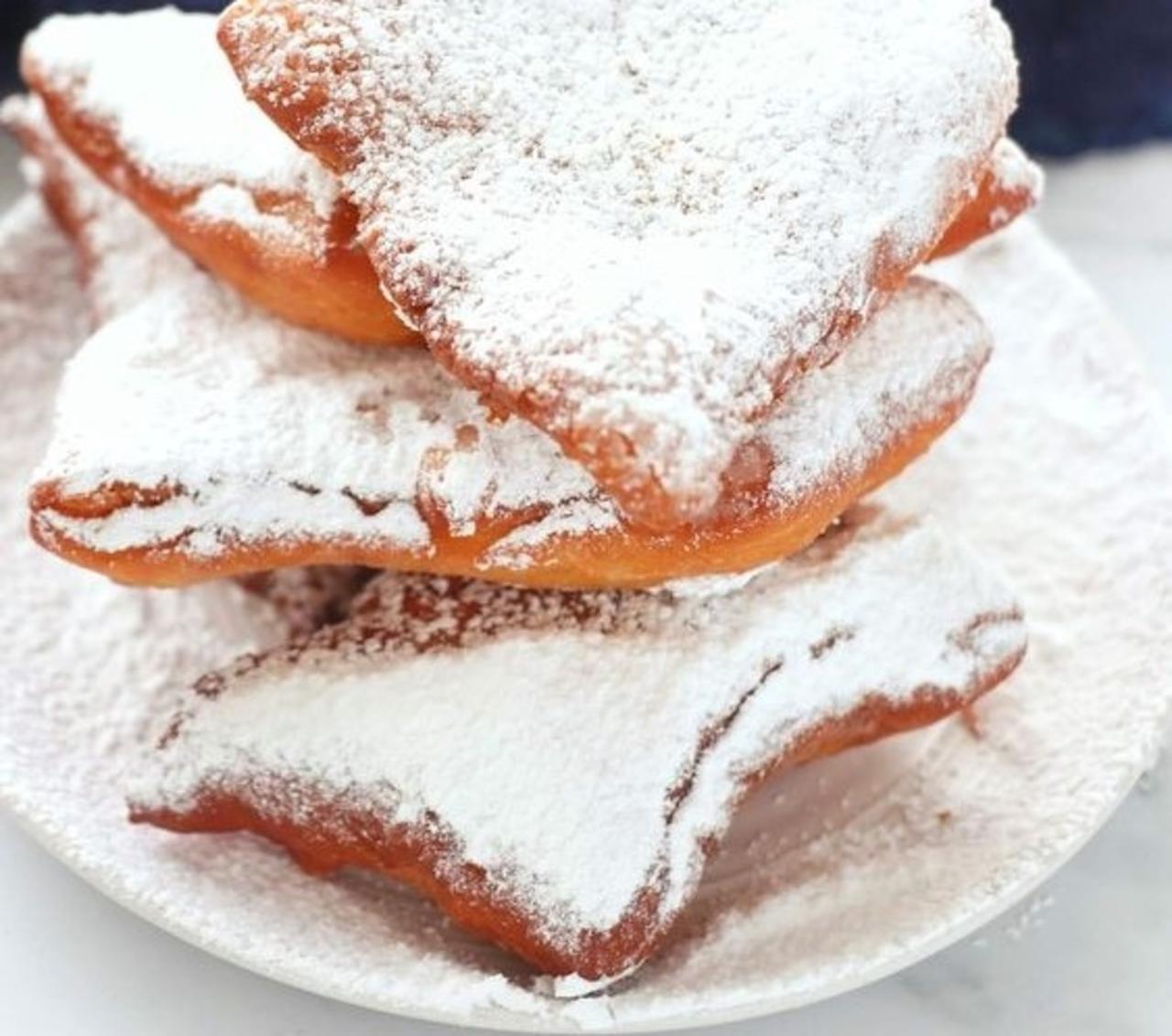
Square, no hole, buried in powdered sugar, served hot. Café du Monde in the French Market is the reference point, and the French Quarter cultural tour that visits it is built around exactly that stop.
The chicory in the coffee is a Civil War-era substitution that stuck. It is bitter and slightly woody and it is the correct thing to drink with a beignet, whatever your instincts say.
Jambalaya, étouffée and red beans
The rice dishes are where the Cajun and Creole distinction becomes legible. Jambalaya cooks the rice in with everything else; étouffée is a smothered dish, usually crawfish or shrimp, served over rice cooked separately; red beans and rice is the Monday dish, historically because Monday was washing day and beans could be left alone.
The food walking tour and cooking class experience publishes a tasting menu covering jambalaya, corn and crab bisque, crawfish or chicken étouffée and gumbo in a single session — the broadest single run at the rice dishes we have seen listed.
Boudin, pralines and the things people forget
Boudin is a Cajun rice-and-pork sausage from the prairie parishes west of here and it is criminally under-ordered by visitors. Pralines are the sugar-and-pecan confection sold everywhere in the Quarter and worth buying from somewhere that makes them on site.
Bananas Foster was invented in New Orleans in the 1950s and is still on menus; it turns up as the dessert in both the hands-on roux cooking class and on the longer tasting-menu tours.
Where the food actually is
The French Market on Decatur Street is America's oldest public market and is the single densest stop in the Quarter — most food tours build an hour into it. Royal Street and Toulouse Street hold a run of restaurants that tour operators use as fixed stops. Bourbon Street has the Sazerac House and several serious dining rooms on it, alongside everything else Bourbon Street has.
Street food, in the New Orleans sense, means the market stalls and the hole-in-the-wall counters rather than carts. A dedicated street food tour with a local guide is the fastest way to find them.
The shortest way to eat all of it
Nine dishes is more than a first-time visitor will manage alone in a weekend. A guided food tour compresses four or five of them into a single afternoon with the context attached, which is why we recommend starting with one and eating independently afterwards.
Compare the six French Quarter food tours we rate, or browse every New Orleans food tour on New Orleans Food Tour. If you would rather learn to cook these dishes than be walked to them, see New Orleans cooking classes.
Eat all of it in one afternoon
A guided French Quarter food tour covers four or five of these dishes with the history attached. Six tours compared, from $55.